
 Specchiasol
Propolis E.P.I.D.® and seasonal ailments
Defence mechanisms and seasonal illnesses
During the autumn-winter season, the body is more easily attacked by bacteria and viruses, especially due to the adverse climatic and atmospheric conditions. The prevention of cold-related ailments is based on this awareness, summarised by Sun Tzu in a page of The Art of War: “If you know your enemy and know yourself, you need not fear the result of a hundred battles”.
Sore throat
In many churches, on 4 February every year, on the occasion of the feast of Saint Blaise, the Blessing of the Throats takes place. A priest, holding two candles in a crossed position beneath the chin of the faithful, gives the blessing: ‘May Almighty God at the intercession of St. Blaise, Bishop and Martyr, preserve you from infections of the throat and from all other afflictions.’ This act of devotion has ancient origins, in times when the fearsome localisation of diphtheria in the throat could be lethal. The introduction of a specific vaccine against diphtheria and the advent of antibiotics have made it possible to treat the most severe pathological conditions of the throat.
The inflammation of the mucous lining of the pharynx, especially frequent in the winter, may be the result of both the action of many irritants (passive smoking, volatile compounds in indoor environments, gastroesophageal acid reflux) and of the intervention of viruses, such as rhinoviruses and flu viruses, or of the aggressiveness of bacteria, especially group A beta-haemolytic Streptococcus.
Air pollution in confined indoor environments, which means that even low doses can have harmful effects during long periods of exposure, is mainly due to the transfer of volatile organic compounds (VOC) arising from construction materials, chipboard and plywood, plasters, paints, glass fibres, upholstery, household appliances, and maintenance products, such as detergents, cleaning agents, solvents and sprays, or even synthetic materials or combustion processes, as in the case of gas cookers or kerosene heating systems. Among external environmental pollutants, a key role is played by so-called black carbon, originating from diesel engines, consisting of toxic particles with a carbon core surrounded by heavy metals, sulphates and organic substances, which, in addition to being allergenic, has an acute inflammatory effect. Throat infections caused by viral or bacterial agents are usually transmitted by direct contact through nasal and bronchial secretions. Hands are also contaminated with infected liquids and are unintentionally brought up to the eyes or mouth, thus becoming a significant means of transmission of infectious agents.
The common cold
The common cold is a viral illness that appears suddenly, generally as an epidemic, with an itchy feeling in the back of the mouth, sneezing, a blocked nose, and, subsequently, with copious nasal discharge. In a later stage, the inflammation intensifies, spreads to the lower airways and is accompanied by low-grade fever or fever. Most frequently, complications can be seen: (1) in the paranasal sinuses, which are constantly affected by rhinitis, (2) in the ear mucosa, especially in children, when the Eustachian tube is shorter and wider, with an adenoid tissue which preserves the inflammation for longer, (3) in the lower airways, especially due to the fact that, during the night, they receive exudate that feeds bronchial inflammation (rhinobronchitis).
Prevention and treatment with Propolis
To prevent sore throats and cold-related illnesses, it is recommended to take Propolis-based preparations, preferably in combination with Echinacea purpurea, angustifolia or pallida, Uncaria tomentosa, for cycles of 20 days every month throughout the autumn and winter. In this way, the immune system is strengthened, becoming more effective against bacteria and viruses.
In herbal medicine, remedies made with Propolis, Aloe, Hedge Mustard, Rose Hip or Black currant can be used. Moreover, it can be helpful to use active essential oils on the airways. Propolis, a natural product produced by bees in spring from the buds of certain trees, is used mainly for its localised reparative and immune-boosting properties. Propolis is often used in formulas in which it is combined with medicinal plants with anti-inflammatory, decongestant and soothing properties, suitable for preventing and treating cold-related illnesses and ailments of the pharynx and larynx (Aloe, Black currant, Rose Hip). In case of a sore throat with loss of voice or hoarseness, Hedge Mustard is also used, a plant of the Cruciferae family, also known as ‘singers’ herb’, with anti-inflammatory properties for the upper respiratory tract, especially the larynx.
Propolis
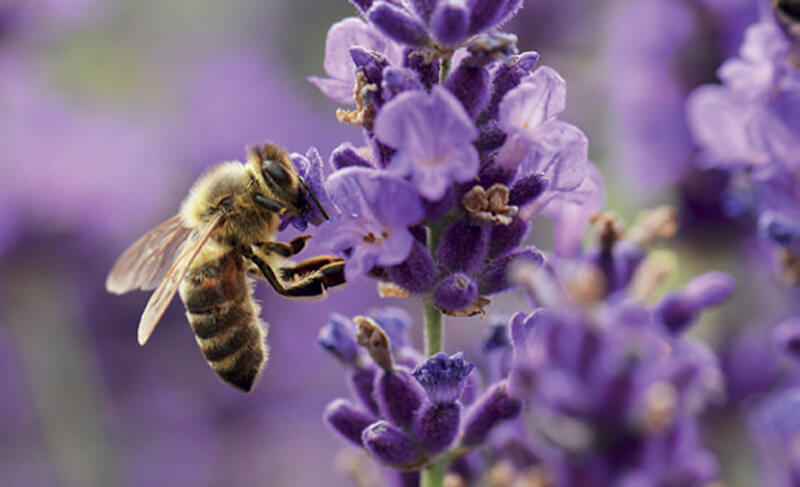
It is an aromatic resinous substance, usually of a brown colour with shades ranging from yellow to black, that the older, more skilled worker bees make in spring from the buds of certain trees and the bark of coniferous trees: birch, poplar, elm, willow, oak, chestnut, ash, pine, fir. Mastication and bee salivary secretions transform these resins, using waxes and pollens, to prepare propolis. For some, the term ‘pro-polis’ (‘for the benefit of the city’) comes from the Greek and describes the use of this seemingly crude mixture to protect the hive against intruders and repair any damage. It is amazing how a hive with a population of 30,000 with temperatures of 35°, with a volume of 50 litres, with a high concentration of sugars and a humidity rate that can reach 120%, is basically kept aseptic, thanks to the layer of propolis that covers its walls. According to others, the origin is the Latin ‘pro-polire’, meaning ‘for cleaning’ and alluding to the use of propolis to paint the inside and outside of the hive. Both explanations for the word may be applied to its therapeutic use, which is used to both prevent or treat seasonal epidemics, and to re-establish the integrity of the mucous membranes and the immune defence system, at the entrance doors, against potential attackers who are threatening their safety. Propolis in fact, is a powerful antiseptic, with anti-viral, antibiotic and anti-fungal properties. The benefits of propolis are also due to its anti-inflammatory, balsamic, cicatrising and immunostimulatory properties.
Nonetheless, the high wax content poses the risk of possible allergic episodes, following administration, especially in individuals allergic to pollen. Waxes, furthermore, prevent the beneficial action of the active ingredients of propolis by reducing their activity. For this reason, Specchiasol has removed the waxes to prevent allergic episodes, increase the curative potential and optimise the quality of propolis extracts available on the market. This is why it has created the Propolis Epid Line (Extract of Water dispersible Dewaxed Propolis), with a full range of purified Propolis-based products to counter seasonal ailments (Propolis Epid tablets, spray, syrup, aqueous extract, glycolic extract, mouthwash, lozenges).
Main ailments treated with Propolis
- Conditions of the oral cavity
- Mouth ulcers
- Bronchitis
- Convalescence
- Pharyngitis
- Gastritis, duodenitis
- Gingivostomatitis
- Labial herpes
- Upper respiratory tract infections
- Viral infections
- Flu
- Common cold
- Hoarseness
- Sinusitis
- Cough